3 Tips for Managing Stress and Blood Sugar During the Holidays
Health
January 9, 2026
10 min
Jenna Ehteshami, MS, MPH, RD, LD
The holidays may be merry and bright…but they can also be busy, emotional, and overwhelming! For people living with diabetes, this stress isn’t just unpleasant; it can directly affect blood sugar levels. Changes in routine, social obligations, travel, and food-centered gatherings often add layers of pressure that make diabetes management harder.
The goal isn’t to eliminate stress (that’s impossible!). Instead, it’s to support your mind and body so you can move through the season with steadiness, joy, and confidence. Here are three practical tips to help you manage both stress and blood sugar during the holidays.
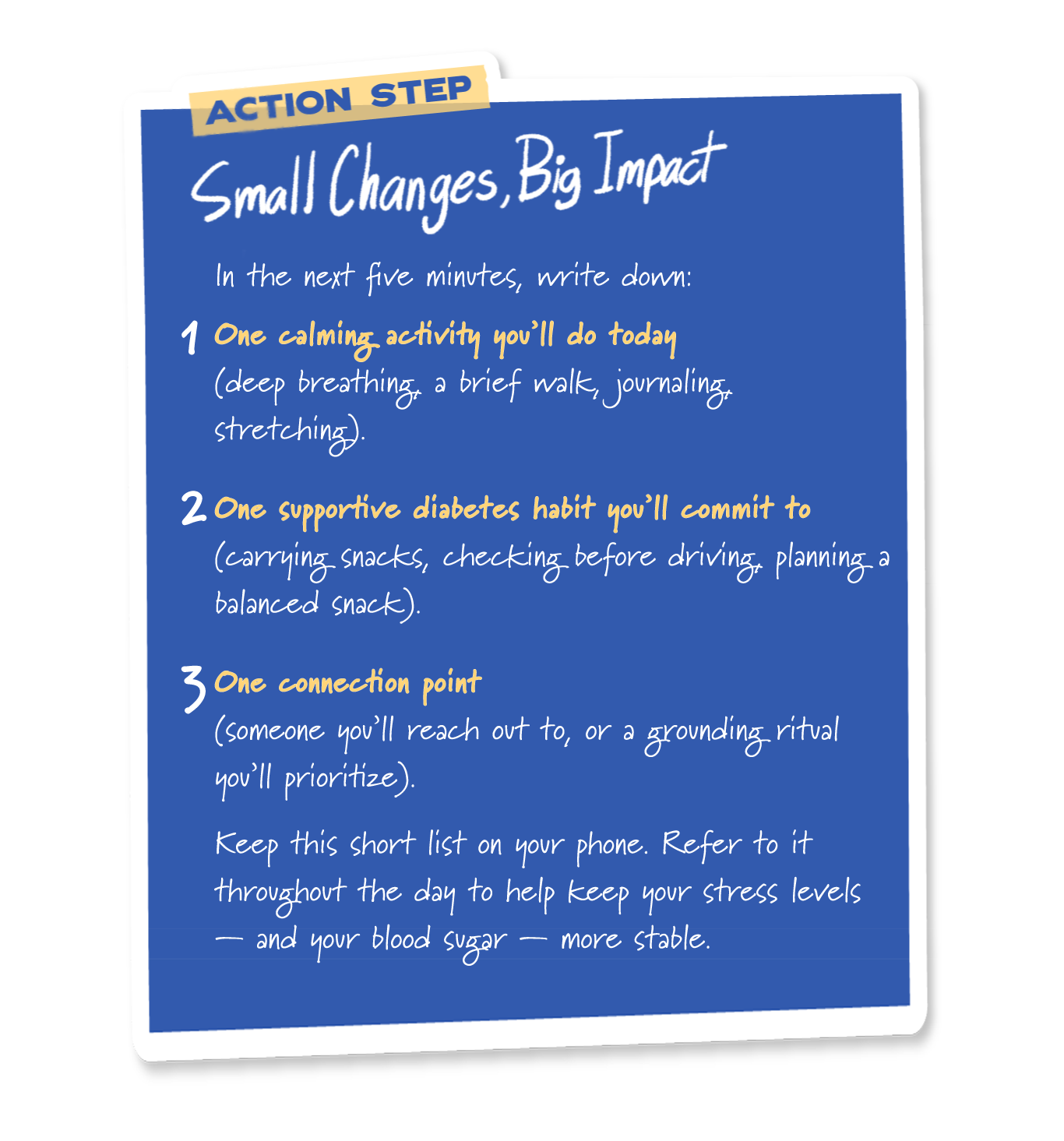
1. Create Calm Moments Throughout the Day
Stress triggers an increase in your cortisol levels which can raise blood sugar levels as well. Small moments of calm each day can help steady your mind and support more stable glucose patterns by lowering the cortisol levels in your body.
Ways to build calm into your routine:
• Practice deep breathing for 1–2 minutes when you wake up, before meals, or before you go to a social gathering.
• Use grounding techniques, like focusing on your senses or placing a hand on your chest. Try focusing on what you see, what you hear, what you smell to bring you back to the present moment.
• Choose mini-breaks where you can step outside, sit in a quiet room, or take a few deep breaths in the car before going inside. These breaks help reset your nervous system.
• Say no when needed. Protecting your energy is good for your health. If there are social gatherings that do not fill your cup, it is okay to say no.
These tiny pauses won’t just help you feel better, they can help your body respond better to food, movement, and medication to keep your blood sugars in check.
2. Keep a Flexible Blood Sugar Routine
The holidays often disrupt schedules, and that’s okay. Instead of striving for “perfect” blood sugars, aim for consistency with room for flexibility.
Try these supportive habits:
• Check a little more often if your schedule, meals, or activity levels shift.
• Carry your essentials including your glucometer or CGM supplies, low-treatments, medication, or insulin.
• Don’t skip meals even if a big holiday dinner is coming later; a balanced snack can help stabilize blood sugars.
• Get gentle movement like a 10-minute walk after a large meal or stretching before bed.
Remember: your numbers may fluctuate more than usual this time of year. That doesn’t mean you’re doing anything wrong. It means you’re human and this is just part of your health journey.
3. Stay Connected to What Grounds You
Emotional stress may include social pressure, family dynamics, or grief, and these emotions can be especially intense around the holidays. Staying connected to what makes you feel anchored can help your health as much as it supports your heart.
Consider:
• Sharing your needs with a trusted friend or family member.
• Sticking to routines that matter to you, even if small (a morning tea ritual, a short walk, a quiet moment before bed).
• Limiting draining activities when possible and remember it’s okay to say no without detailed explanation as to why. “Draining activities” are things that leave you feeling run down emotionally, mentally or physically. You may leave feeling overwhelmed, depleted or stressed…even after a short time. Here are some questions to ask to identify a draining activity:
Do I feel heavier after this?
Does this activity take more from me than it gives?
Do I dread it or feel exhausted afterward?
If the answer is yes, it’s likely draining for you and it’s okay to say no.
• Finding joy intentionally through music, humor, traditions, or time with people who fill your cup.
Taking care of your emotional well-being is a powerful part of taking care of your diabetes.